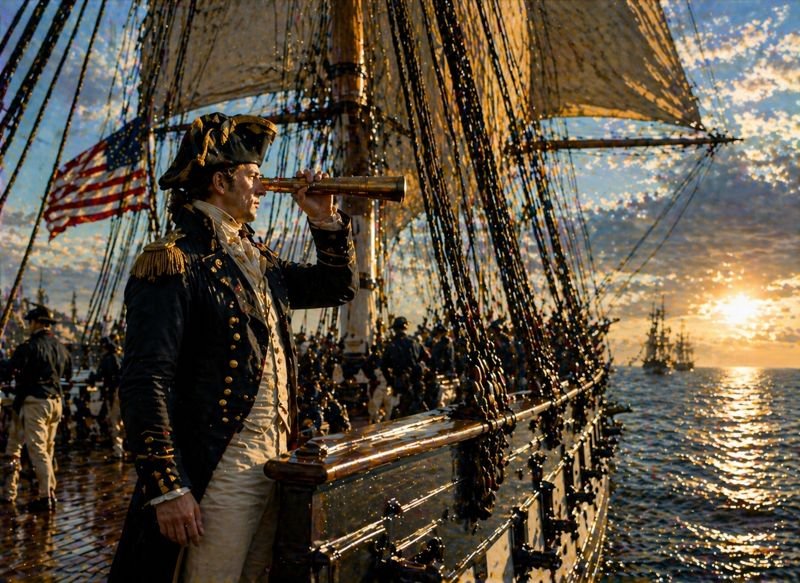
The War of 1812 was a complex and often misunderstood conflict fought between the United States and Great Britain from 1812 to 1815. Sometimes called the “Second War of Independence,” it arose from a combination of maritime disputes, trade restrictions, and territorial tensions that had been building for years after the American Revolution. Central to the conflict were British naval policies, particularly the practice of impressment, seizing American sailors and forcing them into service in the Royal Navy, and interference with American trade during Britain’s war with Napoleonic France.
By 1812, political pressure within the United States had grown, especially among so-called “War Hawks” in Congress, who argued that national honor and economic independence required a firm response. President James Madison ultimately declared war, though the country was divided over the decision. The United States entered the conflict with a relatively small army and navy, whilst Britain, though distracted by the Napoleonic Wars, remained the dominant global naval power.
The war was fought across multiple theaters. On land, American forces launched several invasions of Canada, hoping to secure territory and pressure Britain into concessions. These campaigns met with mixed and often disappointing results, marked by poor coordination and logistical challenges. At the same time, the British conducted raids along the American coastline, most notably the burning of Washington, D.C., in 1814. The war also extended to the Great Lakes, where control of inland waterways proved strategically vital, leading to important naval engagements such as the Battle of Lake Erie.
At sea, however, the United States Navy achieved some of its most notable successes, despite being vastly outnumbered. American naval strategy focused on single-ship engagements and commerce raiding rather than direct confrontation with the full strength of the Royal Navy. It was in this context that USS Constitution played a crucial and highly visible role.
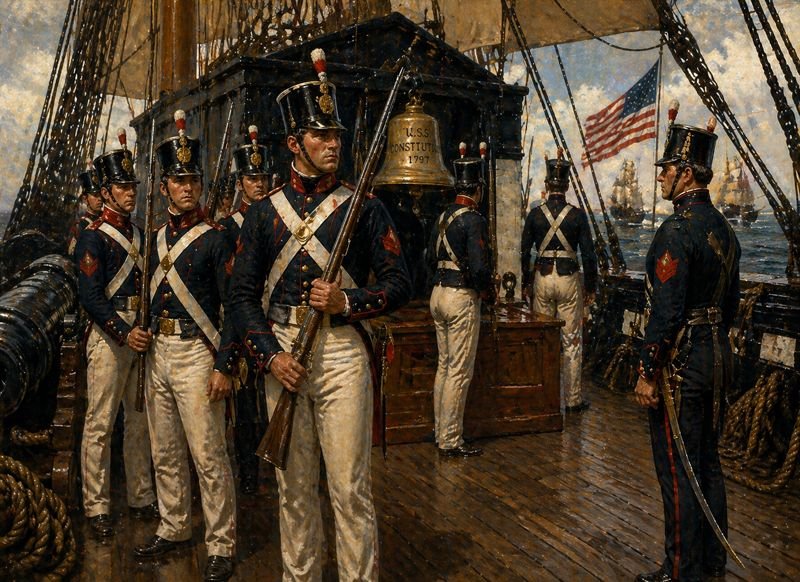
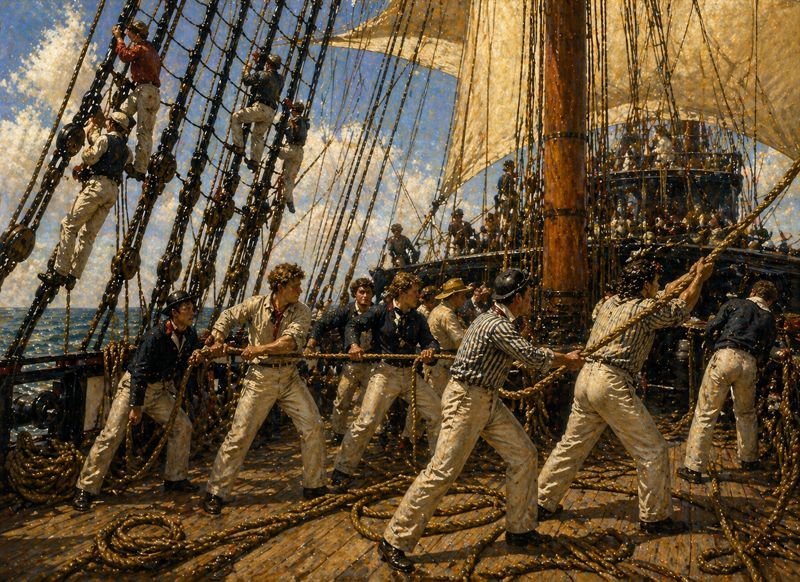
The USS Constitution, one of the heavy frigates built in the 1790s, quickly became a symbol of American naval power. Early in the war, under the command of Captain Isaac Hull, the ship famously escaped a British squadron through a combination of skillful maneuvering and innovative tactics, demonstrating both the crew’s seamanship and the vessel’s capabilities. This escape set the stage for the ship’s later victories.
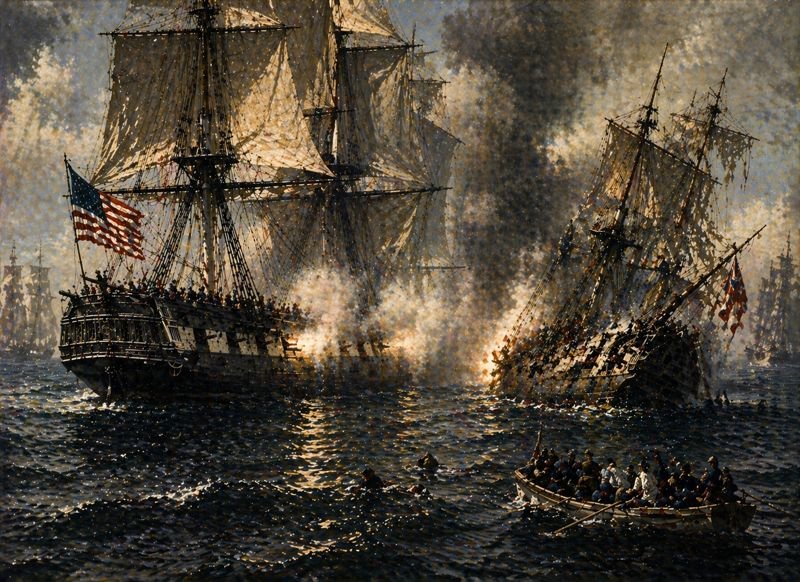
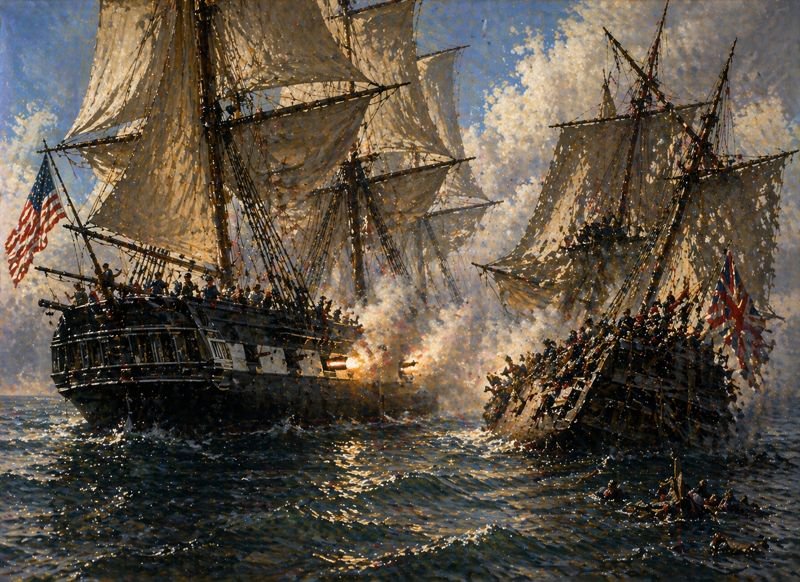
On August 19th, 1812, the USS Constitution defeated the British frigate HMS Guerriere in a decisive battle. The engagement showcased the advantages of the American ship’s design, including its heavier guns and stronger construction. British cannonballs were seen bouncing off its thick hull, earning it the nickname “Old Ironsides.” This victory was followed by another major success on December 29th, 1812, when the ship, now commanded by Captain William Bainbridge, defeated HMS Java. In both cases, the Constitution demonstrated superior firepower, durability, and crew coordination.
These victories had an impact far beyond their immediate tactical significance. At a time when American forces were struggling on land, naval successes provided a much-needed boost to national morale. They challenged the widely held belief in the invincibility of the Royal Navy and showed that the United States could compete effectively in certain situations. The reputation of USS Constitution became a source of pride and a powerful symbol of resilience.
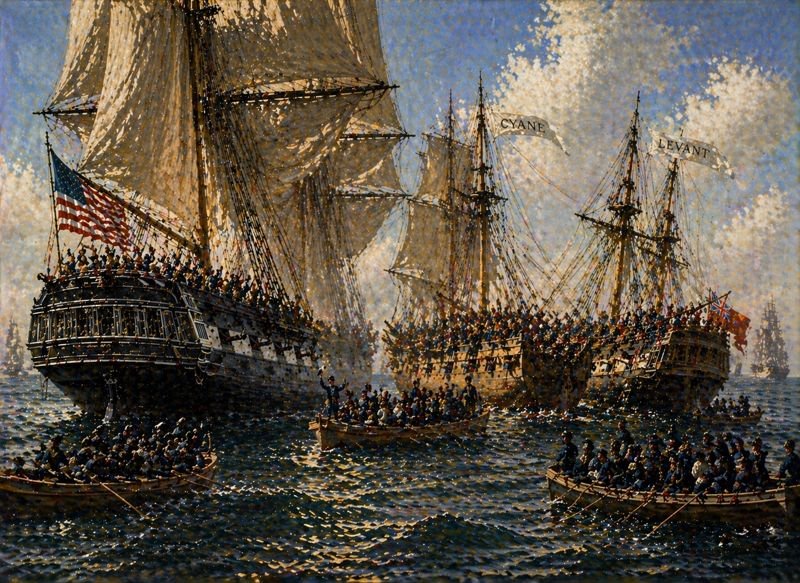
The ship’s success continued later in the war. In February 1815, under Captain Charles Stewart, the USS Constitution captured two British vessels, HMS Cyane and HMS Levant, in a single engagement. Although this occurred after the Treaty of Ghent had been signed (but before news had reached the ships), it reinforced the vessel’s status as one of the most effective warships of the conflict.
Despite these naval successes, the war overall ended in a stalemate. The Treaty of Ghent, signed in December 1814, restored prewar boundaries and did not directly address many of the issues that had caused the conflict. However, the war had important long-term consequences. It strengthened American national identity, confirmed the United States’ independence in practical terms, and reduced Native American resistance in the Northwest Territory.
In this broader context, USS Constitution’s role was both practical and symbolic. Practically, it disrupted British operations and demonstrated the effectiveness of American naval design and tactics. Symbolically, it became a representation of American strength and ingenuity, helping to shape the narrative of the war in the public imagination.
Ultimately, the War of 1812 was a conflict of mixed outcomes, but the achievements of USS Constitution stand out as some of its most enduring and celebrated moments. The ship’s performance highlighted the importance of innovation, leadership, and training, and its legacy continues to be remembered as a defining part of early American naval history.