Edward Preble
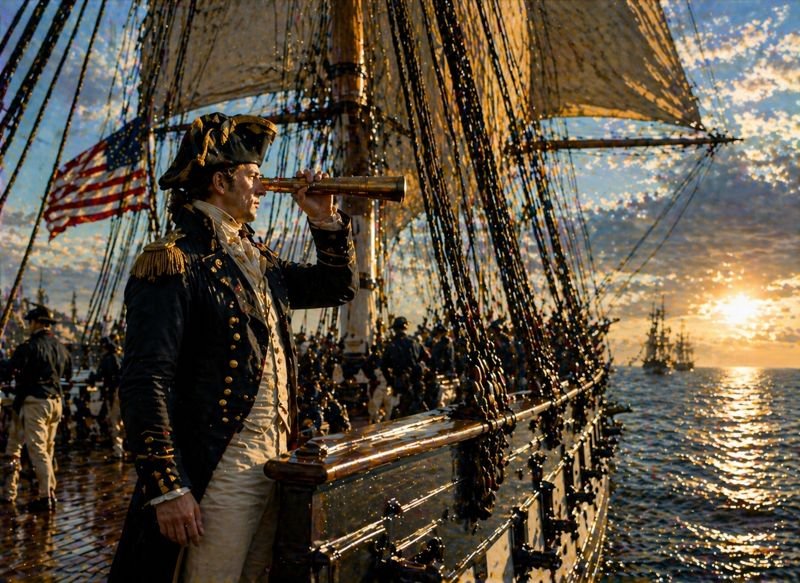
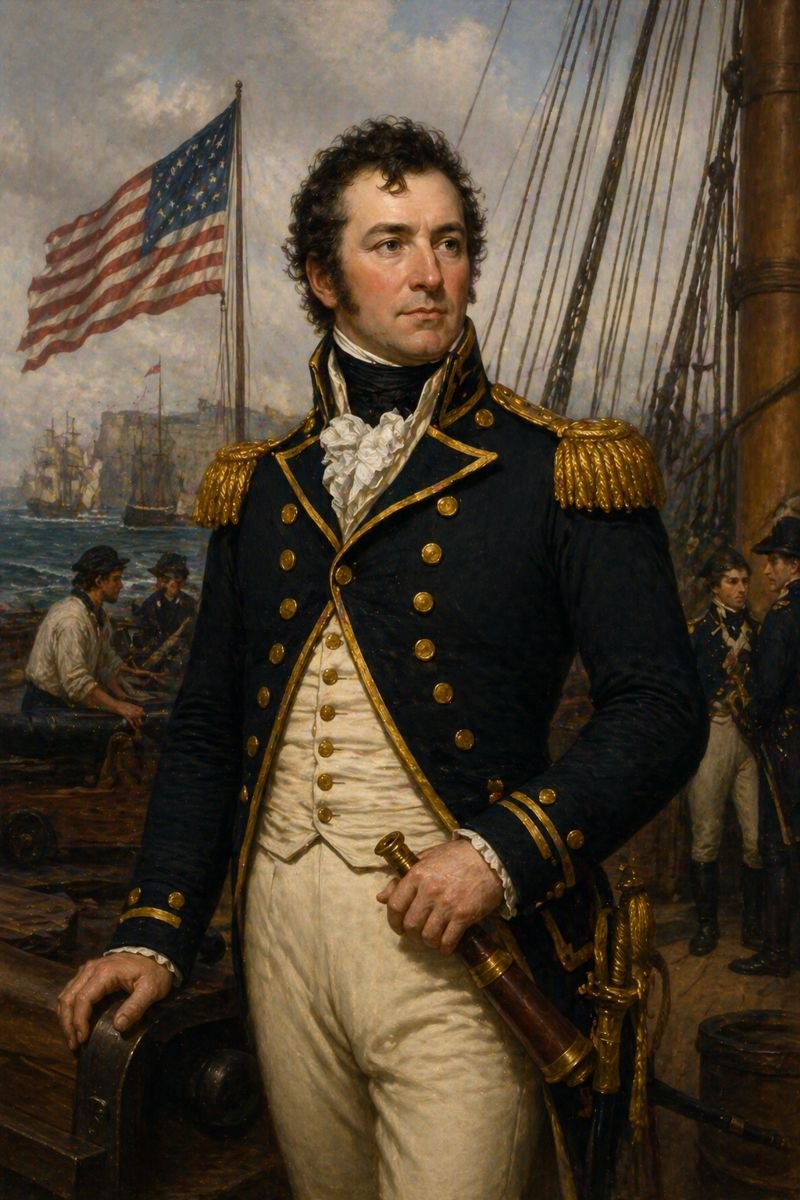 Edward Preble was one of the most influential early commanders of USS Constitution, and his leadership during the
First Barbary War played a
crucial role in shaping both the ship’s early reputation and the professional culture of the United States Navy. While USS Constitution would
later become famous for its victories in the War of 1812, Preble’s command in the Mediterranean established the foundations of discipline,
aggression, and operational effectiveness that would define the vessel and the navy itself.
Edward Preble was one of the most influential early commanders of USS Constitution, and his leadership during the
First Barbary War played a
crucial role in shaping both the ship’s early reputation and the professional culture of the United States Navy. While USS Constitution would
later become famous for its victories in the War of 1812, Preble’s command in the Mediterranean established the foundations of discipline,
aggression, and operational effectiveness that would define the vessel and the navy itself.
Edward Preble was born in 1761 in Maine and began his maritime career at a young age, serving in the Massachusetts State Navy during the American Revolution. This early experience exposed him to naval warfare and command responsibilities, shaping his approach to leadership. By the time he took command of USS Constitution in 1803, he was already regarded as a capable and determined officer with a strong sense of duty and national purpose.
When Preble assumed command, the United States was engaged in a conflict with the Barbary States of North Africa, particularly Tripoli. These states had long demanded tribute from nations in exchange for safe passage of their merchant vessels in the Mediterranean. The United States, seeking to assert its independence and protect its commerce, refused to continue paying tribute, leading to war. USS Constitution was deployed to the Mediterranean as part of a squadron tasked with confronting Tripoli and securing American interests.
Preble used USS Constitution as his flagship, making it the center of American naval operations in the region. His leadership style was strict and demanding, emphasizing discipline, training, and readiness. He believed that a professional navy required not only skilled sailors but also officers capable of independent command and decision-making. Many of the junior officers who served under him would later become prominent naval leaders, earning the nickname “Preble’s Boys.” Among them were future heroes of the War of 1812, including Stephen Decatur and William Bainbridge.
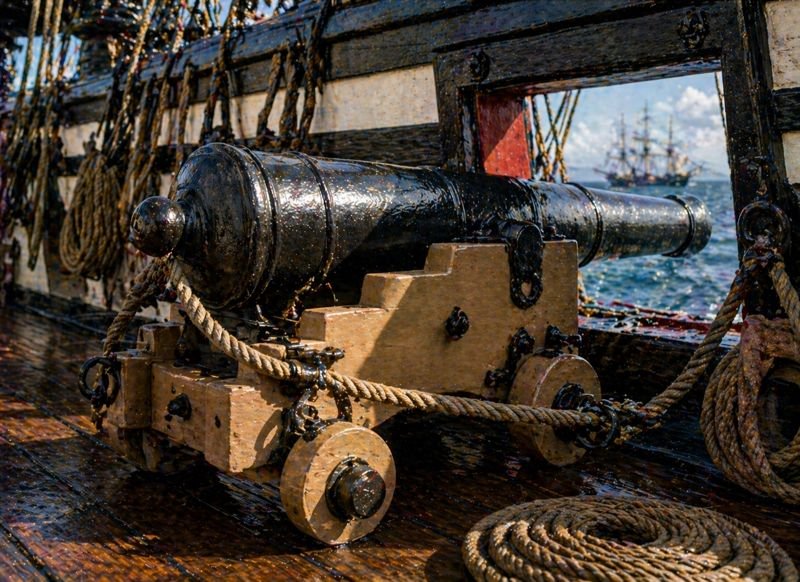
One of Preble’s most significant contributions was his aggressive strategy against Tripoli. Rather than adopting a purely defensive posture, he sought to take the fight directly to the enemy. USS Constitution supported a series of naval operations, including blockades, bombardments, and coordinated attacks on Tripoli’s harbor defenses. These actions demonstrated a willingness to project American power far from home waters, a relatively new concept for the young navy.
A defining moment of Preble’s command came in 1804, following the capture of USS Philadelphia by Tripolitan forces. Although Preble was not directly involved in the initial loss of the ship, he played a key role in the response. Under his overall command, Lieutenant Stephen Decatur led a daring raid to destroy the captured vessel, preventing it from being used against American forces. This operation, often regarded as one of the most heroic acts in naval history, reflected the aggressive and innovative spirit that Preble encouraged within his command.
Throughout his time with USS Constitution, Preble demonstrated a keen understanding of naval warfare in a complex and unfamiliar environment. The Mediterranean presented unique challenges, including unfamiliar coastlines, fortified ports, and the need to coordinate operations with other ships in the squadron. Preble’s ability to manage these challenges while maintaining pressure on Tripoli was a testament to his intellect and organizational skills.
Despite his successes, Preble’s command was relatively short. In 1804, he was replaced due to seniority rules within the navy, a decision that disappointed many who recognized his effectiveness as a commander. Nevertheless, his impact on USS Constitution and the navy as a whole was lasting. He had established a model of leadership that combined discipline with initiative, and his emphasis on training and professionalism helped to elevate the standards of the service.
Preble’s time with USS Constitution also contributed to the ship’s growing reputation. Although it did not achieve the dramatic ship-to-ship victories that would later define its legacy, its role as a flagship in the Mediterranean demonstrated its reliability and capability in sustained conflict(s). The experience gained by its crew and officers during this period would prove invaluable in future conflicts.
In a broader sense, Edward Preble’s command marked a turning point in the development of the United States Navy. His actions during the First Barbary War showed that the United States was willing and able to defend its interests on the global stage. This helped to establish a tradition of forward naval presence and decisive action that continues to characterize American naval strategy.
Ultimately, Edward Preble’s association with USS Constitution is a story of leadership and innovation. Whilst later commanders would bring the ship fame through decisive victories, it was Preble who helped shape the narrative and capabilities that made those victories possible. His legacy endures not only in the history of USS Constitution but also in the broader evolution of the United States Navy as a professional and effective fighting force.
Joshua Humphreys
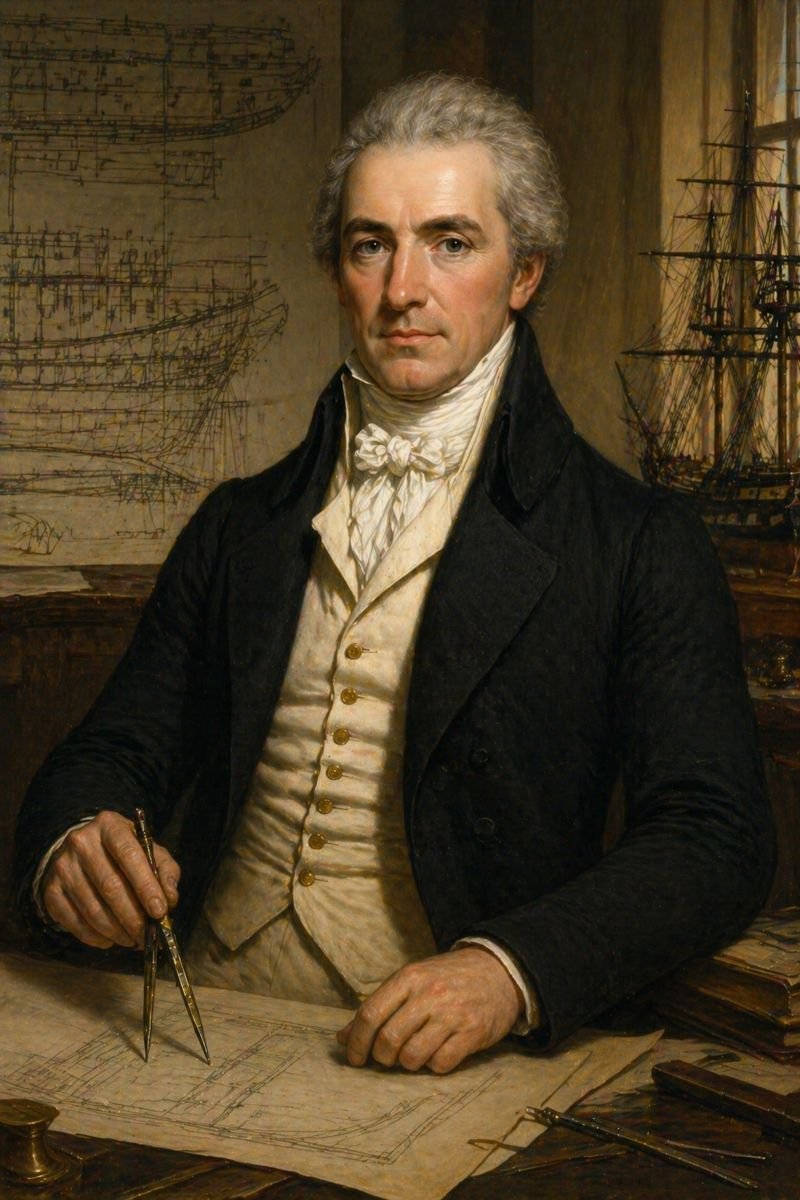 Joshua Humphreys was the principal designer behind USS Constitution and one of the most influential figures in the early development of the
United States Navy. His vision and technical approach helped shape not only the Constitution itself but also the broader philosophy behind American
naval design in the late 18th century.
Joshua Humphreys was the principal designer behind USS Constitution and one of the most influential figures in the early development of the
United States Navy. His vision and technical approach helped shape not only the Constitution itself but also the broader philosophy behind American
naval design in the late 18th century.
Humphreys was born in 1751 in Pennsylvania and came from a family of shipbuilders. Before the American Revolution, he had already gained experience in designing and constructing vessels, particularly merchant ships. This background gave him a strong understanding of both practical shipbuilding and the needs of maritime commerce. During the American Revolutionary War, he supported the American cause, further deepening his connection to the emerging nation and its maritime interests.
By the early 1790s, the United States faced serious threats to its shipping from piracy and foreign powers. When Congress passed the Naval Act of 1794, authorizing the construction of six frigates, Humphreys was appointed as the chief naval constructor. His task was not simply to design ships, but to create a new type of warship suited to the unique needs of the United States.
Humphreys approached this challenge with a clear strategic vision. He recognized that the young nation could not compete directly with the large fleets of Britain or France. Instead, he proposed building frigates that were stronger, faster, and more heavily armed than their European counterparts. These ships would be capable of defeating smaller vessels whilst avoiding direct confrontation with larger ships of the line. This concept became the foundation of American naval strategy in its early years.
The design of the USS Constitution reflected this philosophy. Humphreys specified a longer and wider hull than typical frigates, allowing for greater speed and stability. He also emphasized strength, using thick live oak timbers for the ship’s frame and planking. This made the Constitution exceptionally durable, a feature that would later contribute to its legendary reputation as “Old Ironsides.” The ship’s heavy armament further enhanced its combat effectiveness, enabling it to outgun many opponents of similar size.
Humphreys’ involvement extended beyond initial design. He oversaw aspects of the construction process, working with shipyards and builders to ensure that his specifications were followed. The USS Constitution was built in Boston, and its construction required coordination between craftsmen, suppliers, and naval officials. Humphreys’ role as a supervisor and advisor was critical in translating his design into a functioning vessel.
One of the challenges Humphreys faced was balancing innovation with practicality. His designs were ambitious, pushing the limits of what was typical for frigates at the time. This required careful consideration of materials, construction techniques, and cost. Despite these challenges, the resulting ships proved highly successful, validating his approach.
The USS Constitution’s later performance in naval engagements demonstrated the effectiveness of Humphreys’ design. During the War of 1812, the ship achieved several notable victories against British vessels, showcasing its strength, speed, and firepower. These successes weren’t accidental but the direct result of the design principles Humphreys had established decades earlier.
Humphreys’ influence extended beyond the Constitution. The other frigates built under his direction, such as the USS United States and USS Constellation, also reflected his design philosophy and contributed to the early success of the U.S. Navy. Together, these ships established a reputation for American naval power that far exceeded the nation’s size at the time.
In a broader context, Humphreys’ work represented a shift in how the United States approached maritime defense. Rather than attempting to match the scale of European navies, he focused on quality, innovation, and strategic advantage. This approach allowed the United States to protect its interests and assert its presence on the global stage despite limited resources.
Humphreys continued to be involved in naval construction and advising in the years following the launch of the Constitution. His expertise was valued by government officials and naval leaders, and he played a role in shaping the development of the navy during its formative period. Ultimately, his contribution to the USS Constitution was foundational. His design and vision created a ship that was not only effective in combat but also enduring in its legacy. The Constitution remains one of the most famous naval vessels in history, and its success is closely tied to the innovative thinking and practical skill of its designer.
Isaac Hull
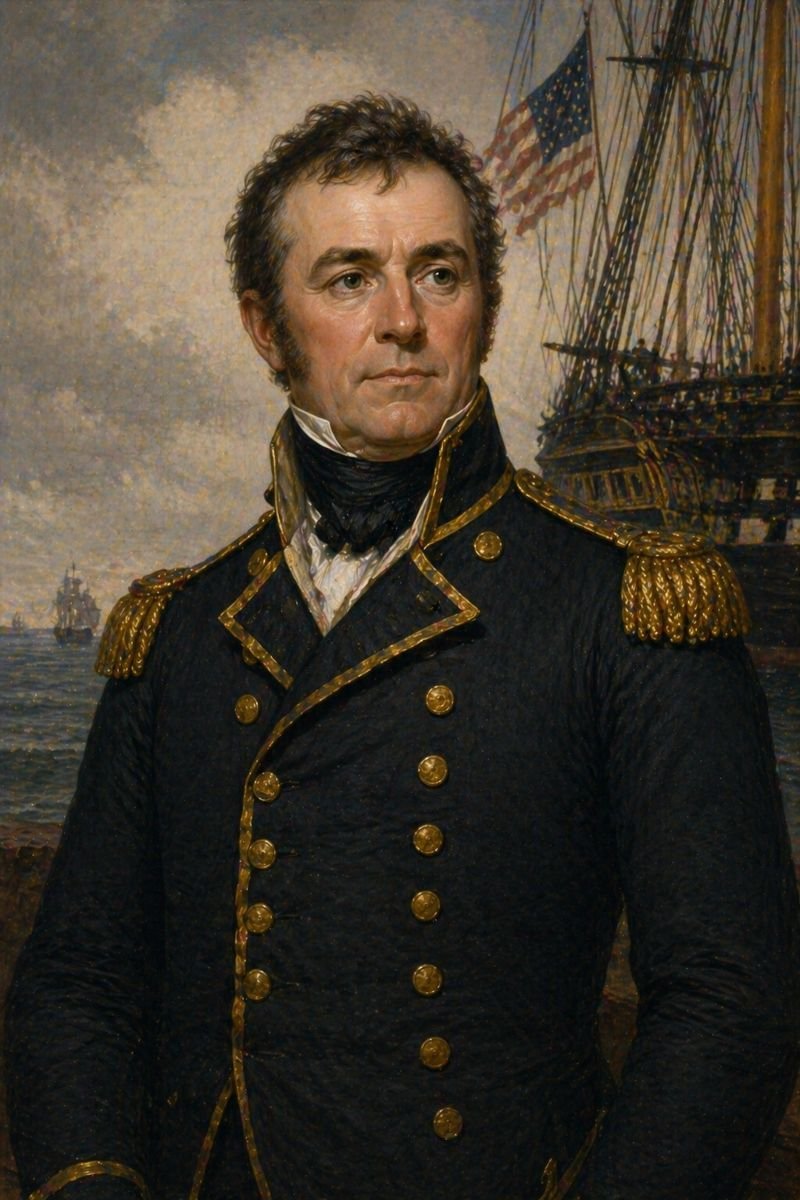 Isaac Hull is one of the most important figures in the early history of USS Constitution, and his leadership during the opening months of the
War of 1812 helped establish the ship’s legendary reputation.
Whilst the Constitution itself was a product of innovative design and construction, it was Hull’s seamanship, tactical awareness, and command
decisions that first demonstrated its true capabilities in wartime.
Isaac Hull is one of the most important figures in the early history of USS Constitution, and his leadership during the opening months of the
War of 1812 helped establish the ship’s legendary reputation.
Whilst the Constitution itself was a product of innovative design and construction, it was Hull’s seamanship, tactical awareness, and command
decisions that first demonstrated its true capabilities in wartime.
Isaac Hull was born in 1773 in Connecticut and entered naval service at a young age, gaining experience during the Quasi-War with France and the Barbary Wars. By the time he took command of USS Constitution in 1810, he was an experienced officer with a reputation for discipline and competence. His familiarity with both naval combat and long-distance operations made him well suited to command one of the navy’s most important ships at a critical moment.
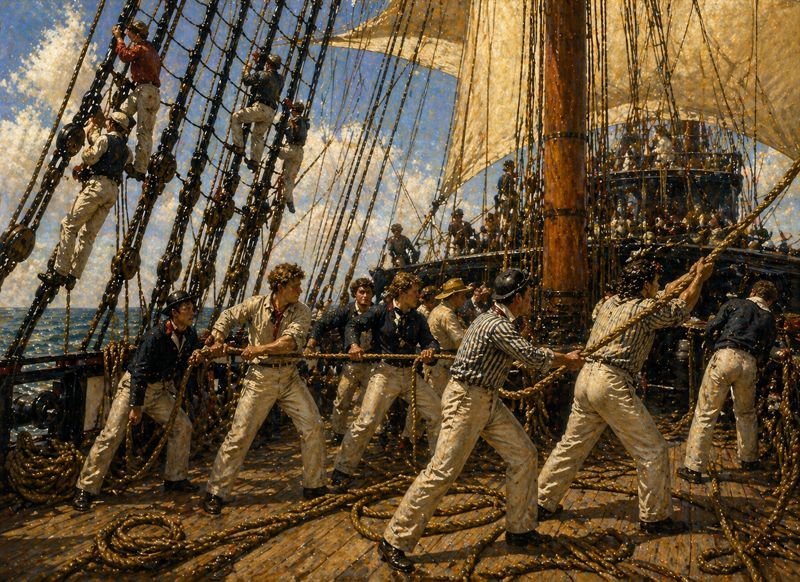
Hull’s most famous contribution came in July 1812, shortly after the United States declared war on Britain. Whilst sailing along the eastern seaboard, USS Constitution encountered a powerful British squadron. Outnumbered and at risk of capture, Hull faced a difficult situation. With little wind to aid escape, he relied on a combination of tactics, including kedging, using anchors to pull the ship forward, and towing with small boats. These methods required extraordinary effort from the crew, who worked continuously for more than two days. Hull’s calm leadership and willingness to employ unconventional techniques allowed the ship to escape, preserving both the vessel and its crew. This episode alone demonstrated his skill as a seaman and his ability to adapt under pressure.
Hull’s leadership was again evident in August 1812, when USS Constitution engaged HMS Guerriere. Rather than rushing into battle, Hull carefully closed the distance before opening fire, ensuring that his broadsides would be as effective as possible. Once engaged, he maintained control of the engagement, using the ship’s heavier guns and superior construction to decisive effect. The battle ended with the destruction of the British frigate, marking one of the first major American victories of the war.
This victory had a profound impact. At a time when American forces were struggling in other areas, the defeat of HMS Guerriere provided a significant boost to national morale. It also challenged the prevailing belief that the Royal Navy was unbeatable in single-ship engagements. Hull’s command played a central role in this outcome, as his tactical decisions maximized the strengths of USS Constitution while exploiting the weaknesses of the enemy.
One of Hull’s key strengths as a commander was his understanding of his ship’s design. USS Constitution was larger, more heavily armed, and more strongly built than many British frigates, but these advantages required careful handling. Hull recognized the importance of positioning, timing, and disciplined gunnery. By ensuring that his crew held their fire until close range and maintained coordination throughout the battle, he was able to deliver maximum effect with each broadside.
Hull was also known for maintaining high standards of discipline and training aboard the ship. A well-drilled crew was essential for operating the heavy guns, managing sails, and responding quickly to changing circumstances. His emphasis on readiness ensured that the USS Constitution could perform effectively not only in combat but also in demanding conditions at sea.
Despite his success, Hull did not remain in command of USS Constitution for long after the victory over HMS Guerriere. Later in 1812, he was reassigned to shore duty, and command of the ship passed to other officers, including William Bainbridge. However, Hull’s early achievements had already established the ship’s reputation and set a standard for those who followed.
Hull’s broader career continued to reflect his importance in the U.S. Navy. He served in various combat roles and contributed to the development of naval operations in the years following the war. However, his association with USS Constitution remains the most defining aspect of his legacy.
In many ways, the relationship between Isaac Hull and USS Constitution illustrates the interplay between technology and command. The ship itself was a product of innovative design, but without effective command, its advantages might not have been fully realized. Hull’s ability to understand and utilize those advantages transformed the ship into a symbol of American naval superiority.
Isaac Hull’s command of USS Constitution during the early stages of the War of 1812 was a turning point in both his career and the history of the U.S. Navy. His actions demonstrated that skillful leadership and well-trained crews could overcome numerical disadvantage and challenge even the most powerful naval forces. Through his leadership, USS Constitution achieved its first great successes, securing its place as one of the most celebrated warships in American history.
William Bainbridge
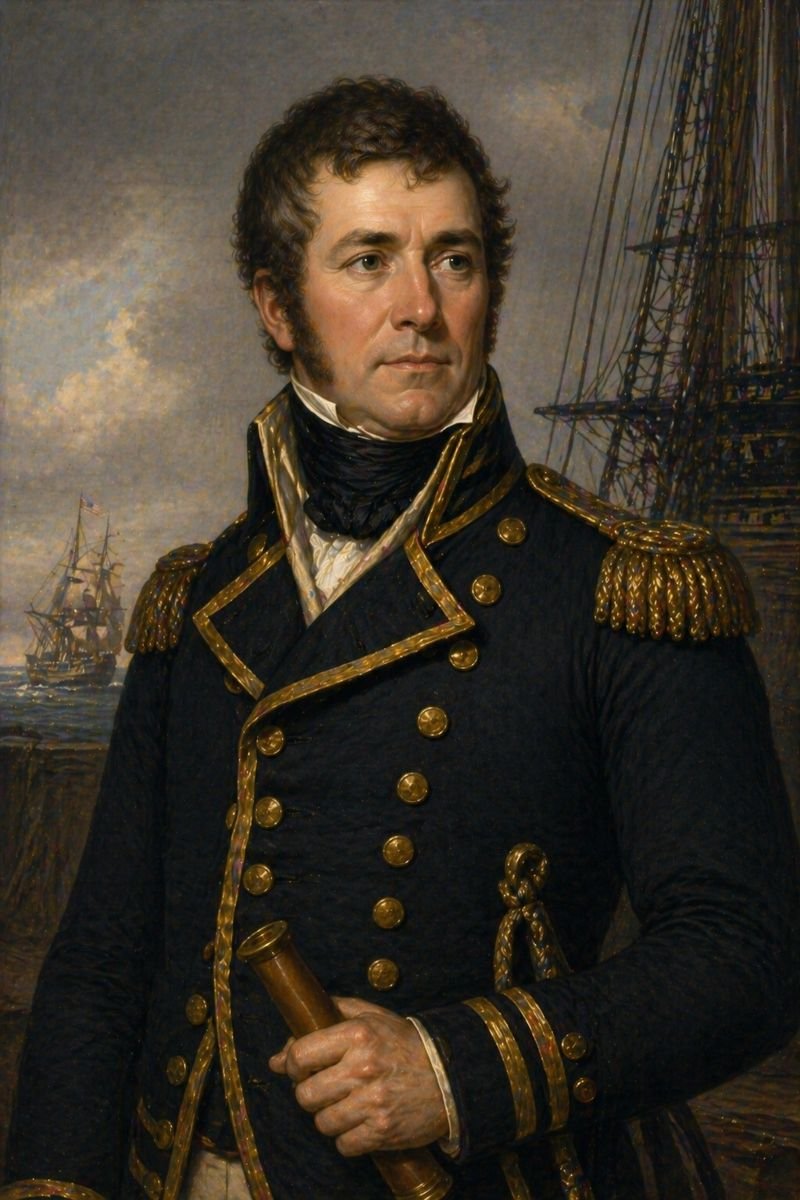 William Bainbridge played a central role in the wartime career of USS Constitution, commanding the ship during one of its most famous victories in the
War of 1812. His leadership during the battle with
HMS Java and his broader naval experience
helped solidify the Constitution’s reputation as one of the most formidable warships of its time.
William Bainbridge played a central role in the wartime career of USS Constitution, commanding the ship during one of its most famous victories in the
War of 1812. His leadership during the battle with
HMS Java and his broader naval experience
helped solidify the Constitution’s reputation as one of the most formidable warships of its time.
Bainbridge was born in 1774 in New Jersey and entered naval service at a young age, gaining experience in the merchant marine before joining the U.S. Navy. His early career included service during the Quasi-War with France and the Barbary Wars, where he commanded USS Philadelphia. In 1803, that ship ran aground off Tripoli and was captured, along with Bainbridge and his crew. Although this episode could have damaged his reputation, his conduct during captivity, maintaining discipline and negotiating on behalf of his men, earned him respect and allowed him to continue his naval career.
By the time the War of 1812 began, Bainbridge was an experienced officer with a strong understanding of naval operations. He took command of USS Constitution in September 1812, following Isaac Hull, who had already secured a major victory over HMS Guerriere. Bainbridge inherited not only a powerful ship but also the expectations that came with its growing reputation.
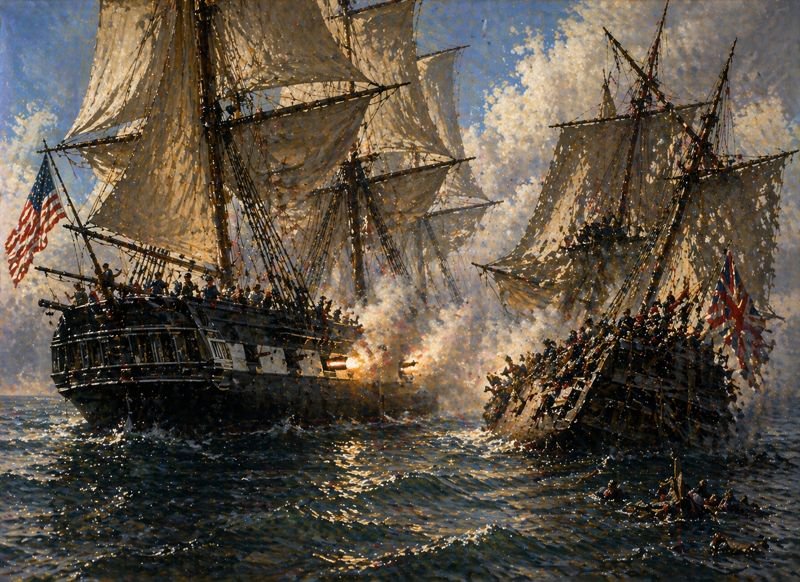
Bainbridge’s most significant contribution came on December 29, 1812, when USS Constitution engaged HMS Java off the coast of Brazil. The British ship, though smaller and less heavily armed, was still a capable opponent. Bainbridge approached the battle with determination and tactical awareness, seeking to bring the Constitution’s strengths, its heavier guns and better construction, to bear.
The engagement was fierce and prolonged. Early in the battle, Bainbridge was wounded, but he refused to leave his post, continuing to command the ship despite his injuries. This decision had a powerful effect on the crew, reinforcing their resolve and maintaining continuity during a critical moment. His ability to remain in command under such conditions demonstrated both personal courage and professional dedication.
Tactically, Bainbridge focused on disabling HMS Java’s ability to maneuver. By targeting its masts and rigging, USS Constitution gradually reduced the British ship’s mobility. This approach reflected an understanding that control of movement was as important as direct damage to the hull. As Java lost its masts, it became increasingly vulnerable, unable to effectively respond to the Constitution’s positioning and firepower.
At the same time, the Constitution’s heavier guns inflicted significant damage on the British ship’s structure and crew. Bainbridge ensured that his gunners maintained a steady and accurate rate of fire, maximizing the impact of each broadside. The combination of firepower and maneuvering eventually overwhelmed HMS Java, leading to its surrender.
The victory was decisive, but it also came at a cost. USS Constitution sustained damage to its rigging and spars, and Bainbridge himself was injured. Despite this, the ship remained operational, a testament to its design and the effectiveness of its crew. HMS Java, by contrast, was so badly damaged that it had to be destroyed after the crew was removed.
The defeat of HMS Java reinforced the earlier victory over HMS Guerriere, proving that USS Constitution’s success was not a one-time thing. It demonstrated that the ship’s advantages in design and armament, when combined with effective leadership, could consistently produce favorable outcomes. Bainbridge’s role in this was crucial, as his decisions during the battle ensured that these advantages were fully utilized.
Beyond the immediate impact of the victory, Bainbridge’s command contributed to the broader reputation of the U.S. Navy. At a time when the United States faced challenges on land, naval successes provided important morale boosts and helped shape public perception of the war. Bainbridge, like Hull before him, became a national figure, representing the country and the determination of the American naval effort.
After his command of USS Constitution, Bainbridge continued to serve in the navy, eventually rising to the rank of commodore. His career reflected both the opportunities and challenges of early American naval service, including the need to adapt to changing technologies.
In the context of USS Constitution’s history, Bainbridge’s tenure was relatively brief but highly significant. His victory over HMS Java stands as one of the defining moments in the ship’s operational life. It highlighted the importance of leadership in naval combat and demonstrated how experience and clear-thinking making could influence the outcome of an engagement. William Bainbridge’s association with USS Constitution underscores the role of the individual commander in shaping naval history. While the ship itself was a product of innovative design, its success depended on those who commanded and crewed it. Bainbridge’s leadership during one of its most important battles ensured that the Constitution’s reputation continued to grow, cementing its place as a symbol of American naval power.
Charles Stewart
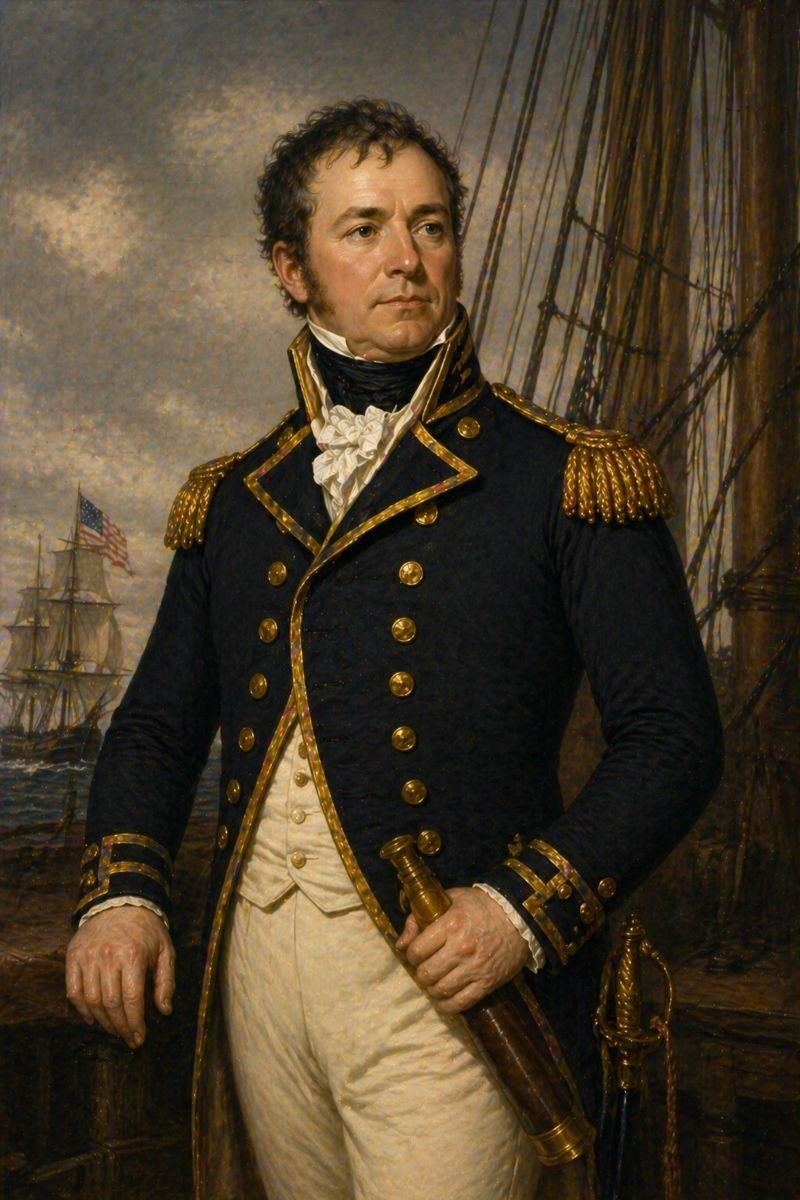
Charles Stewart was one of the most accomplished officers to command USS Constitution, and his tenure during the closing phase of the War of 1812 added a final chapter to the ship’s already distinguished combat record. Whilst earlier commanders such as Isaac Hull and William Bainbridge had secured the Constitution’s reputation with decisive victories, Stewart’s leadership demonstrated that the ship’s success was not limited to isolated engagements but reflected a consistent combination of design, discipline, and command.
Charles Stewart was born in 1778 in Philadelphia and went to sea at a young age, gaining extensive experience in both merchant and naval service. By the time he took command of USS Constitution in 1813, he had already established himself as a capable and aggressive officer. His approach to naval warfare emphasized initiative, independence, and the effective use of a ship’s strengths, qualities that would define his command of the Constitution.
Unlike some earlier phases of the war, when American frigates operated relatively freely, Stewart commanded USS Constitution at a time when the Royal Navy had tightened its blockade of American ports. This made it more difficult for U.S. warships to put to sea and engage the enemy. Stewart managed to evade these blockades and take the Constitution into the Atlantic, where he could operate more effectively against British shipping and naval forces.
One of the defining features of Stewart’s command was his emphasis on long-range cruising. Rather than seeking immediate battle near American waters, he took USS Constitution on extended voyages, targeting British commerce and looking for opportunities to engage enemy warships on favorable terms. This strategy allowed him to avoid overwhelming British forces while still maintaining an offensive posture.
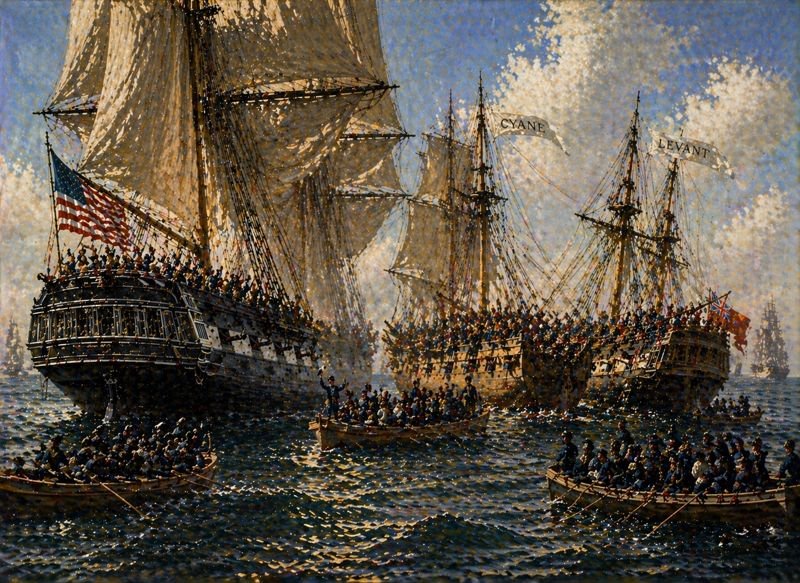
Stewart’s most famous action aboard USS Constitution came on February 20, 1815, when he encountered HMS Cyane and HMS Levant. These two British ships, though individually smaller, presented a combined threat that required careful handling. Engaging multiple opponents simultaneously was a risky undertaking, particularly in the confined and uncertain conditions of naval combat.
Stewart approached the situation with tactical precision. He maneuvered USS Constitution to control the engagement, preventing the two British ships from coordinating their attacks effectively. By isolating his opponents and engaging them sequentially, he was able to bring the full weight of the Constitution’s firepower to bear without being overwhelmed. This demonstrated a clear understanding of both his own capabilities and the limitations of his adversaries.
The battle itself was fought into the evening, with USS Constitution exchanging fire with both ships under challenging conditions. Stewart maintained discipline and control throughout, ensuring that his crew executed their duties efficiently despite the ferocity of the fighting in low visibility. His ability to manage the engagement in these circumstances was a testament to his leadership and the training of his crew.
HMS Cyane was the first to surrender, having suffered significant damage to its rigging and hull. Stewart then turned his attention to HMS Levant, continuing the fight until it too was forced to strike its colors. The capture of two enemy warships in a single engagement was a rare and impressive achievement, highlighting the effectiveness of USS Constitution under Stewart’s command.
The timing of this victory adds an additional layer of significance. The battle took place after the Treaty of Ghent had been signed, officially ending the war, but before news of the peace had reached the ships at sea. As a result, the engagement became one of the final actions of the conflict. Although HMS Levant was later recaptured by a British squadron, the victory itself remained a powerful demonstration of American naval capability.
Stewart’s leadership was characterized by a balance of caution and aggression. He was willing to engage the enemy when conditions were favorable but avoided unnecessary risks that could endanger his ship. This approach allowed him to preserve USS Constitution while still achieving meaningful successes. His emphasis on discipline, training, and coordination ensured that the ship operated at a high level of effectiveness.
Beyond his specific achievements, Stewart’s command contributed to the enduring legacy of USS Constitution. By demonstrating that the ship could defeat multiple opponents and operate successfully in challenging conditions, he reinforced the idea that its earlier victories were not isolated but the result of a well-designed and well-managed fighting vessel. After the war, Stewart continued to serve in the navy, eventually rising to senior ranks and contributing to its development. However, his association with USS Constitution remains one of the most significant aspects of his career.
Ultimately, Charles Stewart’s command of USS Constitution represents the culmination of the ship’s wartime service. His leadership during one of its most complex and successful engagements demonstrated the type of excellence that had defined the vessel from the beginning of the war. Through his actions, Stewart ensured that USS Constitution ended its combat career on a high note, solidifying its place as one of the most celebrated warships in American history.
Billie June (BJ) Farrell
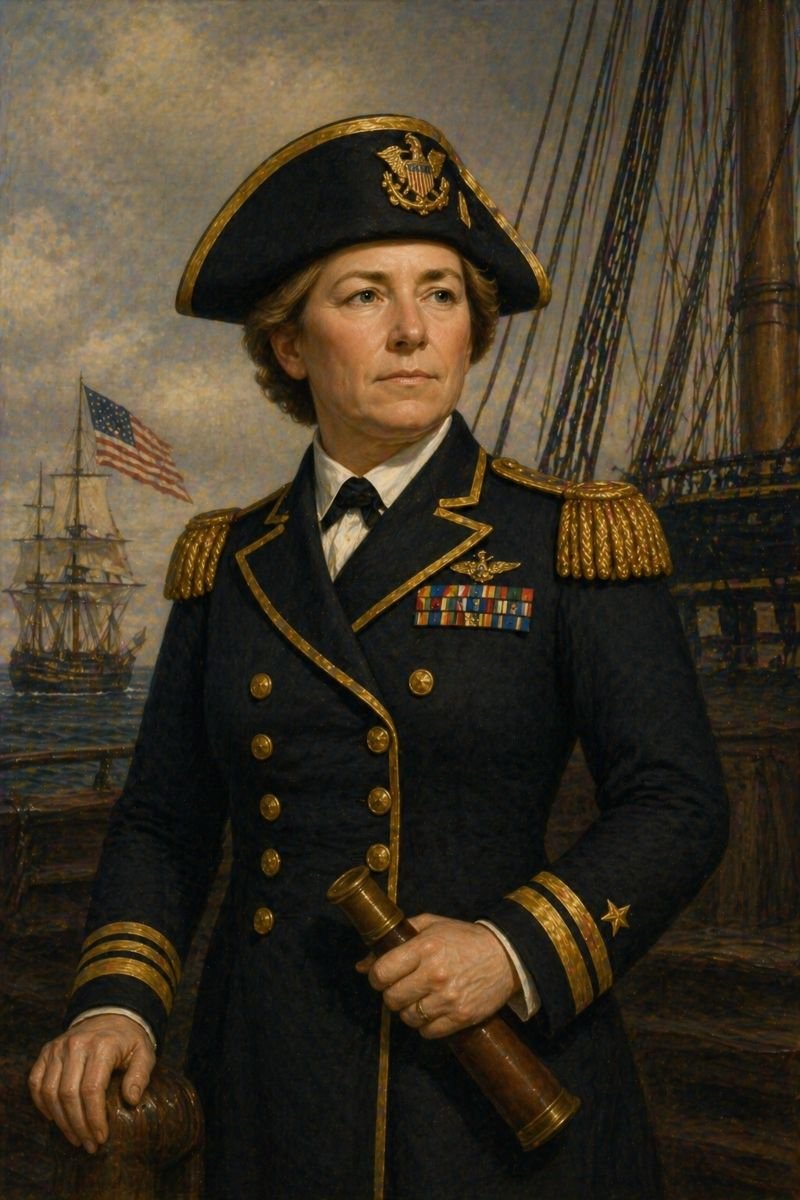 Billie J. Farrell’s association with USS Constitution marks a historic and symbolic chapter in the life of the United States Navy’s oldest commissioned
warship. In 2022, Farrell became the first woman to command USS Constitution in its more than 225-year history, a milestone that reflects both the
evolving role of women in the U.S. military and the enduring relevance of the ship itself.
Billie J. Farrell’s association with USS Constitution marks a historic and symbolic chapter in the life of the United States Navy’s oldest commissioned
warship. In 2022, Farrell became the first woman to command USS Constitution in its more than 225-year history, a milestone that reflects both the
evolving role of women in the U.S. military and the enduring relevance of the ship itself.
USS Constitution, often known as “Old Ironsides,” is no longer an active combat vessel but serves as a commissioned ship of the U.S. Navy with a unique dual role: preserving naval heritage and providing public education. Stationed in Boston, Massachusetts, it is crewed by active-duty sailors who maintain the ship, conduct ceremonial duties, and engage with visitors from around the world. As commanding officer, Farrell assumed responsibility not only for the ship’s operation and upkeep but also for representing its legacy to the public.
Farrell’s appointment is significant in the broader context of the Navy’s history. For much of its existence, naval service—especially in seagoing and command roles—was restricted to men. Over time, policy changes and cultural shifts opened opportunities for women to serve in increasingly diverse roles, including leadership positions aboard ships. Farrell’s command of USS Constitution stands as a visible example of this progression, linking the Navy’s historic past with its modern values of inclusion and профессионализм.
Before taking command, Farrell built a distinguished naval career. A graduate of the U.S. Naval Academy, she served as a surface warfare officer, holding various positions at sea and ashore. Her experience included deployments aboard modern warships, where she developed expertise in navigation, operations, and leadership. This background prepared her for the responsibilities of commanding USS Constitution, even though the ship’s mission differs from that of contemporary naval vessels.
As commanding officer, Farrell oversees a crew responsible for maintaining the structural integrity of a wooden warship that dates back to the 18th century. This involves ongoing preservation work, including replacing timbers, maintaining rigging, and ensuring that the ship remains seaworthy for ceremonial sails. Unlike modern ships, USS Constitution requires specialized knowledge of historical materials and techniques, making its upkeep both a technical and educational endeavor.
Farrell’s role also includes leading the ship during its periodic “turnaround cruises” in Boston Harbor (especially during independence day celebrations in boston). These short voyages, conducted under tow with sails set ceremonially, are designed to maintain the ship’s condition and allow the public to see it in motion. Commanding such an event requires coordination, precision, and an understanding of both modern safety standards and traditional seamanship.
Another key aspect of Farrell’s command is public engagement. USS Constitution is one of the most visited historic sites in the United States, attracting millions of visitors each year. Farrell and her crew serve as ambassadors, educating the public about the ship’s history, including its role in conflicts such as the Barbary Wars and the War of 1812. Through tours, demonstrations, and outreach programs, they help connect modern audiences with the experiences of sailors from earlier generations.
Farrell’s leadership emphasizes the continuity between past and present. While USS Constitution no longer participates in combat, it remains an active part of the Navy, with a commissioned crew and a defined mission. Under her command, the ship continues to embody the traditions of discipline, service, and teamwork that have characterized naval life for centuries. At the same time, her presence as the first female commanding officer highlights how those traditions have adapted to reflect a more inclusive and diverse time.
The symbolic importance of Farrell’s command extends beyond the Navy. USS Constitution is a national icon, representing resilience, innovation, and the early history of the United States. By placing a woman in command of this historic vessel, the Navy sends a message about the ongoing evolution of leadership and opportunity within its ranks.
Farrell’s tenure also underscores the unique nature of USS Constitution as a living artifact. Unlike a museum exhibit, the ship is maintained, crewed, and operated by active-duty personnel. This creates a direct link between the sailors of today and those who served aboard the ship in the past. As commanding officer, Farrell plays a central role in maintaining that connection, ensuring that the ship’s history is not only preserved but actively interpreted and shared.
Ultimately, Billie June Farrell’s association with USS Constitution represents a convergence of history and progress. Her command reflects both the enduring legacy of one of America’s most famous warships and the changing face of the Navy itself. By leading the crew of USS Constitution, she continues a tradition of naval leadership while also redefining what that leadership looks like in the modern era.