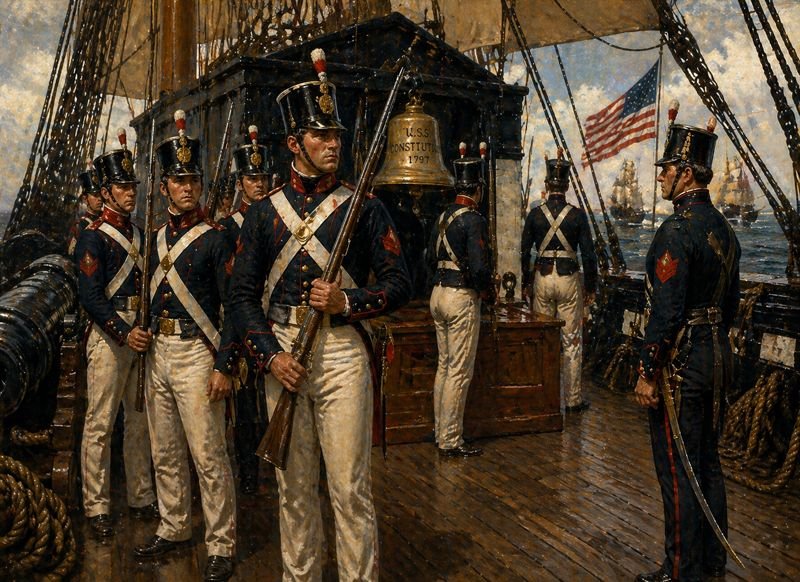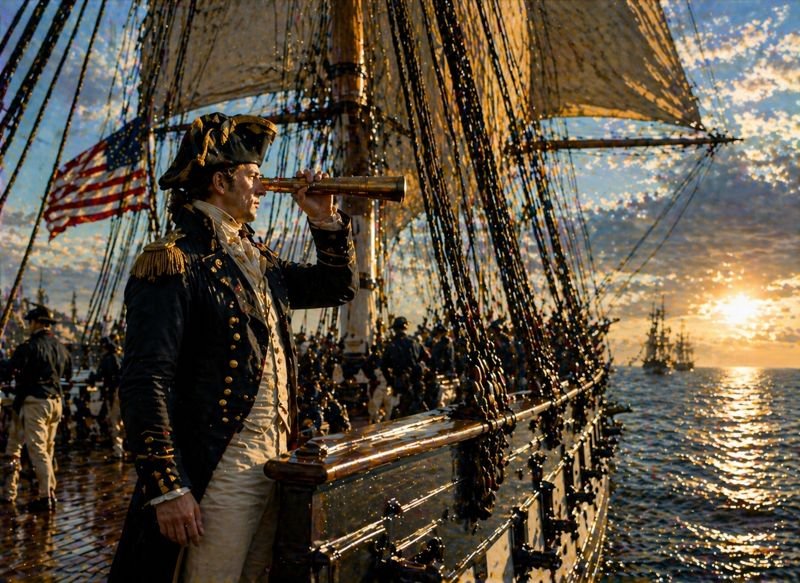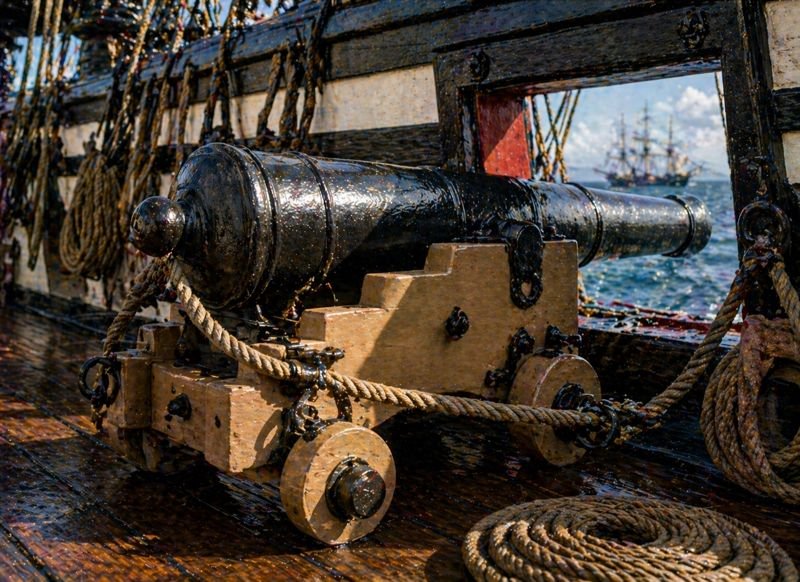
The USS Constitution played a far more limited and symbolic role during the American Civil War than it had in earlier conflicts, but its presence during this period still carried significance. By the time the Civil War began in 1861, the Constitution was already more than sixty years old and had long since been surpassed by newer naval technologies, including steam-powered ships and ironclads. Nevertheless, it remained an important part of the United States Navy, primarily as a training vessel and a symbol of national heritage.
In the decades leading up to the Civil War, USS Constitution had transitioned away from frontline combat duties. Advances in naval warfare had rendered traditional wooden sailing frigates increasingly obsolete. Steam propulsion, armored hulls, and more advanced artillery were changing the nature of naval combat. Despite this, the Constitution was still maintained and used for various purposes, including training and occasional ceremonial duties.
At the outbreak of the Civil War, there was concern for the safety of the ship. Confederate naval forces and privateers posed a potential threat, particularly in the early stages of the conflict when Union defenses were still being organized. To protect the vessel, USS Constitution was moved from its usual station in the North to a safer location. It was sent to Newport, Rhode Island, where it could be better protected from any possible attack. This decision reflects the recognition of the ship’s symbolic importance, even if its military value had diminished.
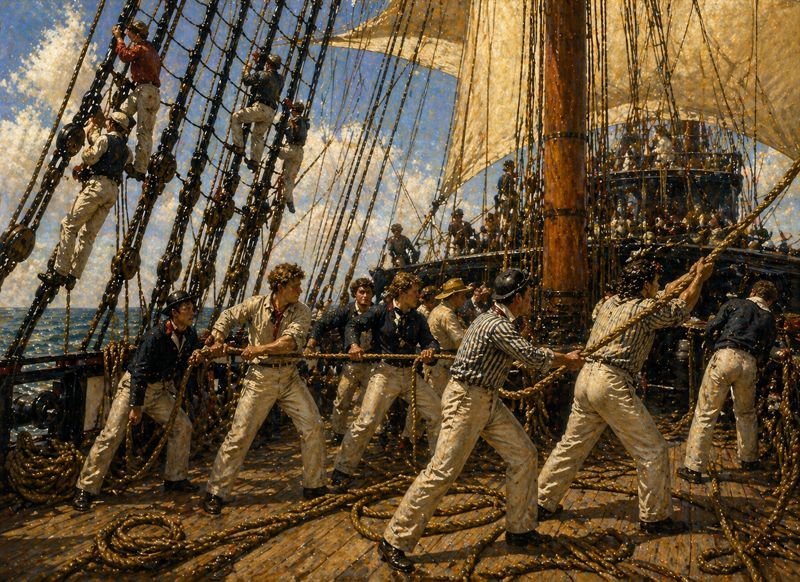
During the Civil War, the USS Constitution served primarily as a training ship for naval cadets. At one point, it was used in connection with the United States Naval Academy, which itself had been relocated from Annapolis, Maryland, to Newport. The Constitution provided a stable platform for midshipmen to gain practical experience in seamanship, navigation, and naval discipline. This role was crucial in preparing a new generation of officers for service in a rapidly expanding navy.
The training function of USS Constitution during the Civil War highlights an important aspect of the conflict: the need to develop skilled personnel. The Union Navy grew significantly during the war, expanding from a relatively small force to a large and complex one that was capable of blockading the Confederate coastline and supporting military operations. Training ships like the Constitution helped ensure that officers and sailors were prepared for the demands of naval service, even as the nature of that service was evolving.
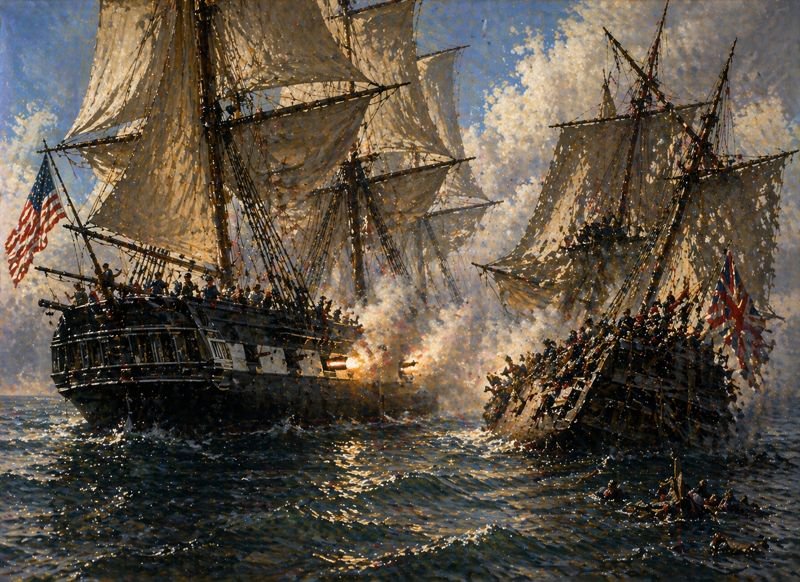
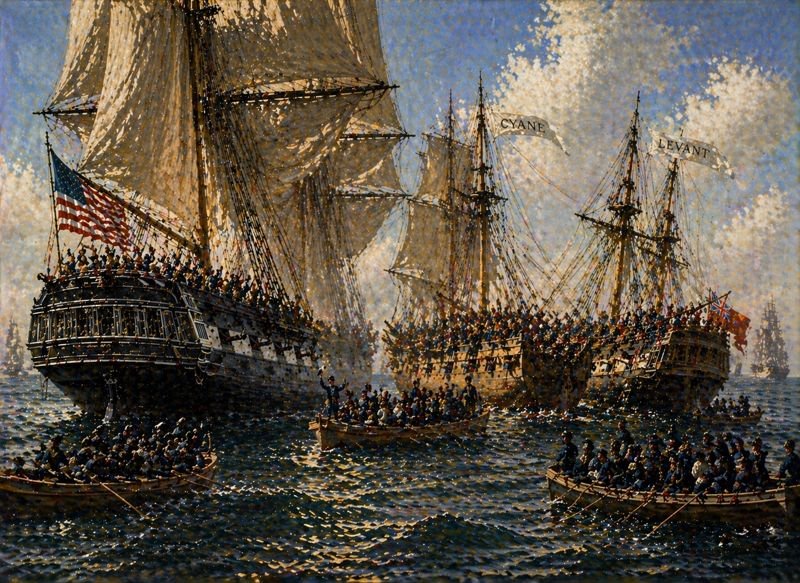
Although the USS Constitution did not participate in combat during the Civil War, its continued presence in the navy served as a link to earlier generations of naval warfare. The ship had fought in the Barbary Wars and the War of 1812, earning a reputation for strength and durability. During the Civil War, it stood as a reminder of those previous achievements, providing a sense of continuity and tradition at a time when the nation was deeply divided.
The symbolic role of USS Constitution was particularly important in the context of the Civil War, which was not only a military conflict but also a struggle over national identity. For the Union, preserving the legacy of the United States, including its historic institutions and symbols, was an essential part of the war effort. The Constitution, as one of the oldest and most famous ships in the navy, embodied that legacy.
In addition to its training duties, the ship occasionally served in more practical capacities, such as transporting personnel or acting as a stationary support vessel. However, these roles were secondary to its primary function as a training platform. Its age and design made it unsuitable for modern naval combat, particularly against ironclad ships and steam-powered vessels that dominated Civil War engagements.
The survival of USS Constitution during the Civil War period is also noteworthy. Many older ships were scrapped or allowed to fall into disrepair as the navy modernized, but the Constitution was preserved. This decision reflected a growing appreciation for its historical value, which would only increase in the years following the war.
By the end of the Civil War in 1865, USS Constitution had firmly transitioned from a fighting ship to a historical and symbolic asset. Its role during the conflict, while not dramatic or combat-focused, was nonetheless important. It contributed to the training of naval personnel, supported the Union’s broader naval goals, and served as a powerful symbol of American naval history. Ultimately, the role of USS Constitution in the Civil War illustrates how the significance of a military asset can evolve over time. No longer at the forefront of battle, the ship continued to serve the nation in a different capacity, bridging the past and present. Its presence during the conflict underscored the continuity of the United States Navy and the enduring legacy of one of its most iconic vessels.