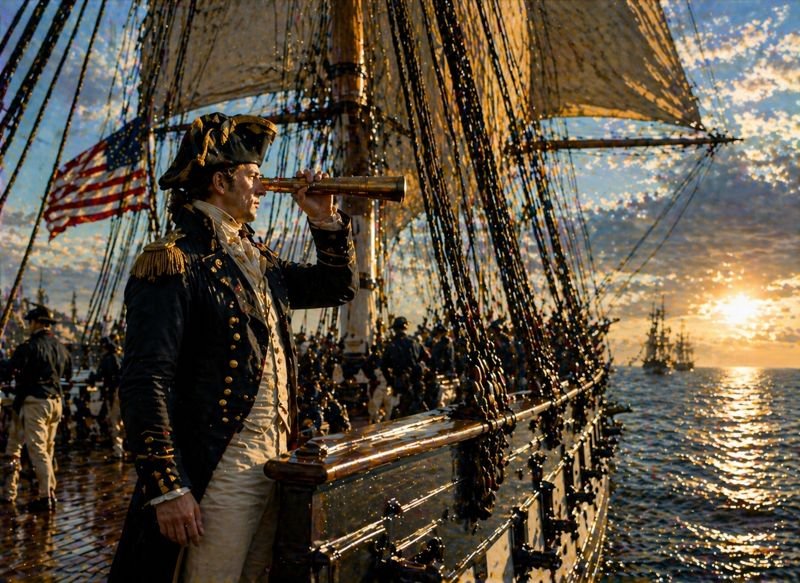
The Naval Act of 1794 was a pivotal piece of legislation that marked the rebirth of the United States Navy and signaled a shift in how the young nation intended to defend its interests. Passed by Congress on March 27th, 1794, the Act authorized the construction of six frigates, including what would become the USS Constitution. Its passage reflected both external pressures and internal debates about the role of military power in the early republic.
In the years following the American Revolutionary War, the United States had effectively dismantled its navy. The Continental Navy, which had been established during the war, was disbanded due to financial constraints and a general reluctance to maintain a standing military force. Many leaders believed that a large navy was unnecessary and potentially dangerous, associating it with the centralized power of European monarchies. However, this decision left American merchant ships vulnerable on the high seas.
One of the most pressing threats came from the Barbary States of North Africa. These states engaged in piracy, capturing ships and demanding tribute in exchange for the release of crews and cargo. Without the protection previously provided by British naval forces, American vessels became easy targets. The capture and enslavement of American sailors created public outrage and increased pressure on the government to act.
At the same time, tensions with European powers, particularly Britain and France, further complicated the situation. The United States sought to maintain neutrality during the conflicts of the French Revolutionary Wars, but its ships were frequently seized or harassed by both sides. This highlighted the limitations of diplomacy alone in protecting American assets and underscored the need for a naval presence.
The debate over how to respond to these challenges was intense. Some leaders favored continuing to pay tribute to the Barbary States as a temporary solution, arguing that it was more cost-effective than building a navy. Others, including figures such as George Washington and Alexander Hamilton, supported the creation of a naval force. They believed that a navy was essential for protecting American commerce, asserting national sovereignty, and establishing the United States as a credible power.
The Naval Act of 1794 represented a compromise between these positions. It authorized the construction of six frigates but included a provision that construction would cease if a peace agreement was reached with Algiers, one of the primary Barbary States. This clause reflected ongoing uncertainty about the long-term commitment to a navy and the desire to balance military preparedness with financial caution.
The design of the frigates was entrusted to naval architect Joshua Humphreys, who proposed a new type of warship. His design emphasized strength, speed, and heavy armament, creating vessels that could outmatch most other frigates while avoiding direct confrontation with larger ships of the line. This innovative approach allowed the United States to maximize its limited resources and establish an effective naval presence without attempting to rival the major European fleets.
The six ships authorized by the Act, the USS Constitution, USS United States, USS Constellation, USS Congress, USS Chesapeake, and USS President, became the foundation of the new navy. Their construction required significant investment in materials, labor, and infrastructure, marking an important step in the development of American industry. Shipyards in cities such as Boston, Philadelphia, and Baltimore became centers of production, bringing together skilled workers and resources.
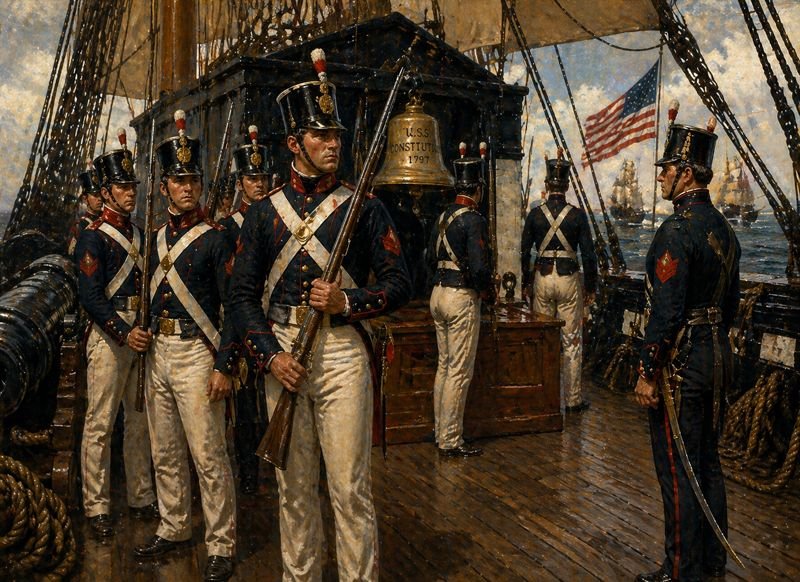
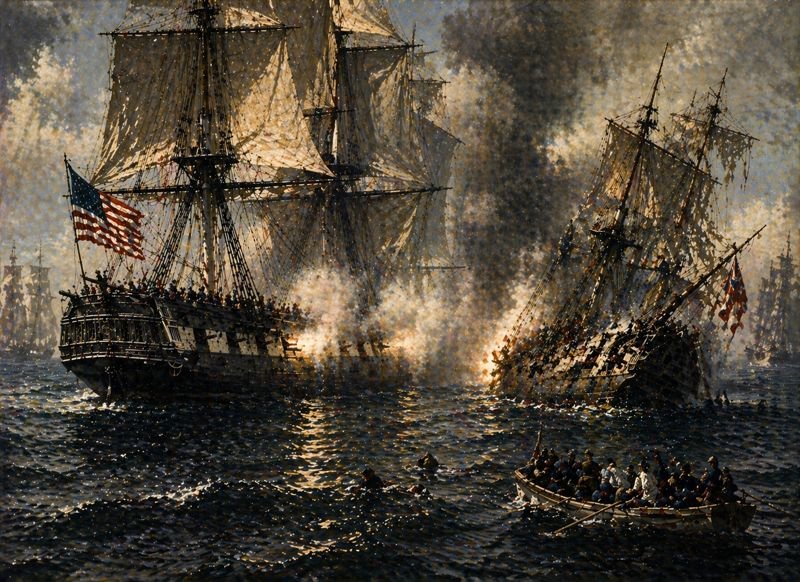
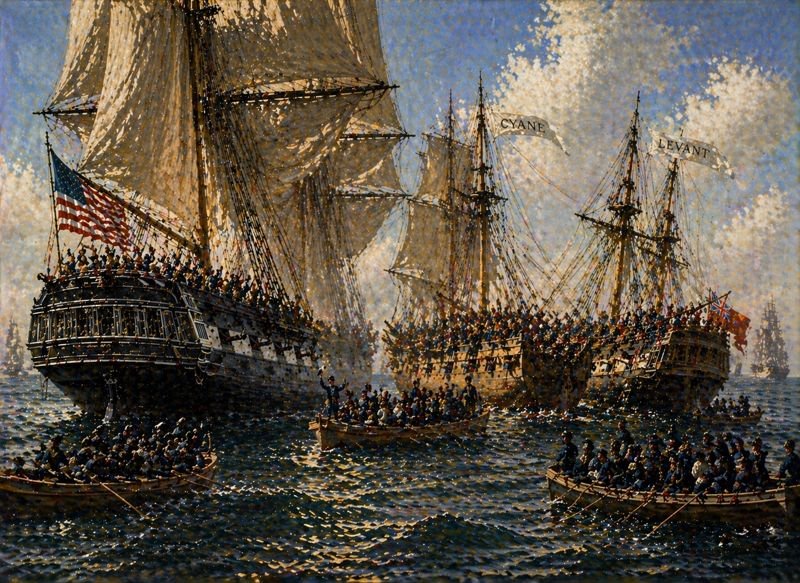
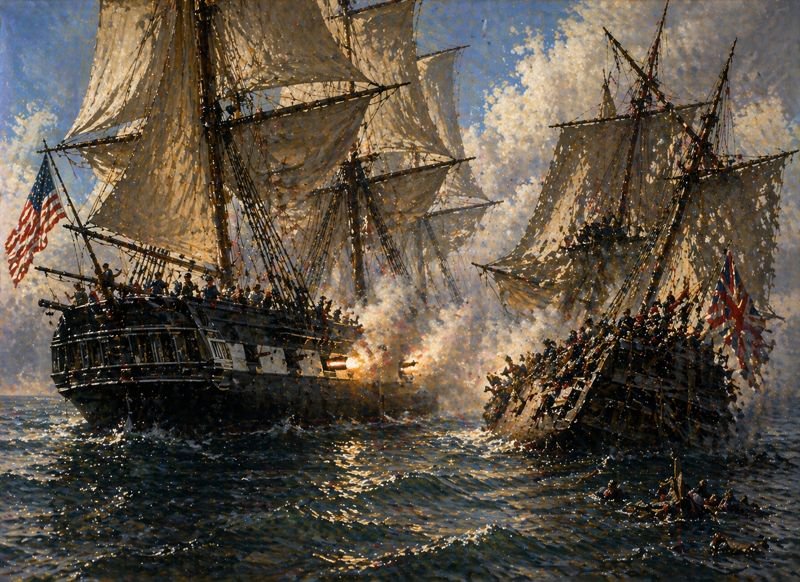
Although the Act initially faced delays and challenges, including funding issues and political opposition, its long-term impact was profound. The frigates proved their value in subsequent conflicts, including the Quasi-War with France and the Barbary Wars. The USS Constitution, in particular, became a symbol of American naval strength, earning a reputation for durability and success in battle.
Beyond its immediate military effects, the Naval Act of 1794 had broader implications for the United States. It marked a turning point in the nation’s approach to warfare, demonstrating a willingness to invest in permanent military capabilities. It also contributed to the growth of industries related to shipbuilding and materials production, laying the groundwork for future economic development.
In a political sense, the Act highlighted the evolving relationship between federal authority and national security. The decision to build a navy required coordination, funding, and oversight at the national level, reinforcing the role of the federal government in addressing common challenges. This was an important step in the consolidation of the United States as a unified nation. The Naval Act of 1794 was a response to the realities of a dangerous and competitive international environment. It reflected the recognition that independence required not only political sovereignty but also the ability to defend and sustain that sovereignty. By authorizing the construction of a navy, the Act helped secure American assets, protect its citizens, and establish its presence on the global stage.